Different Approach

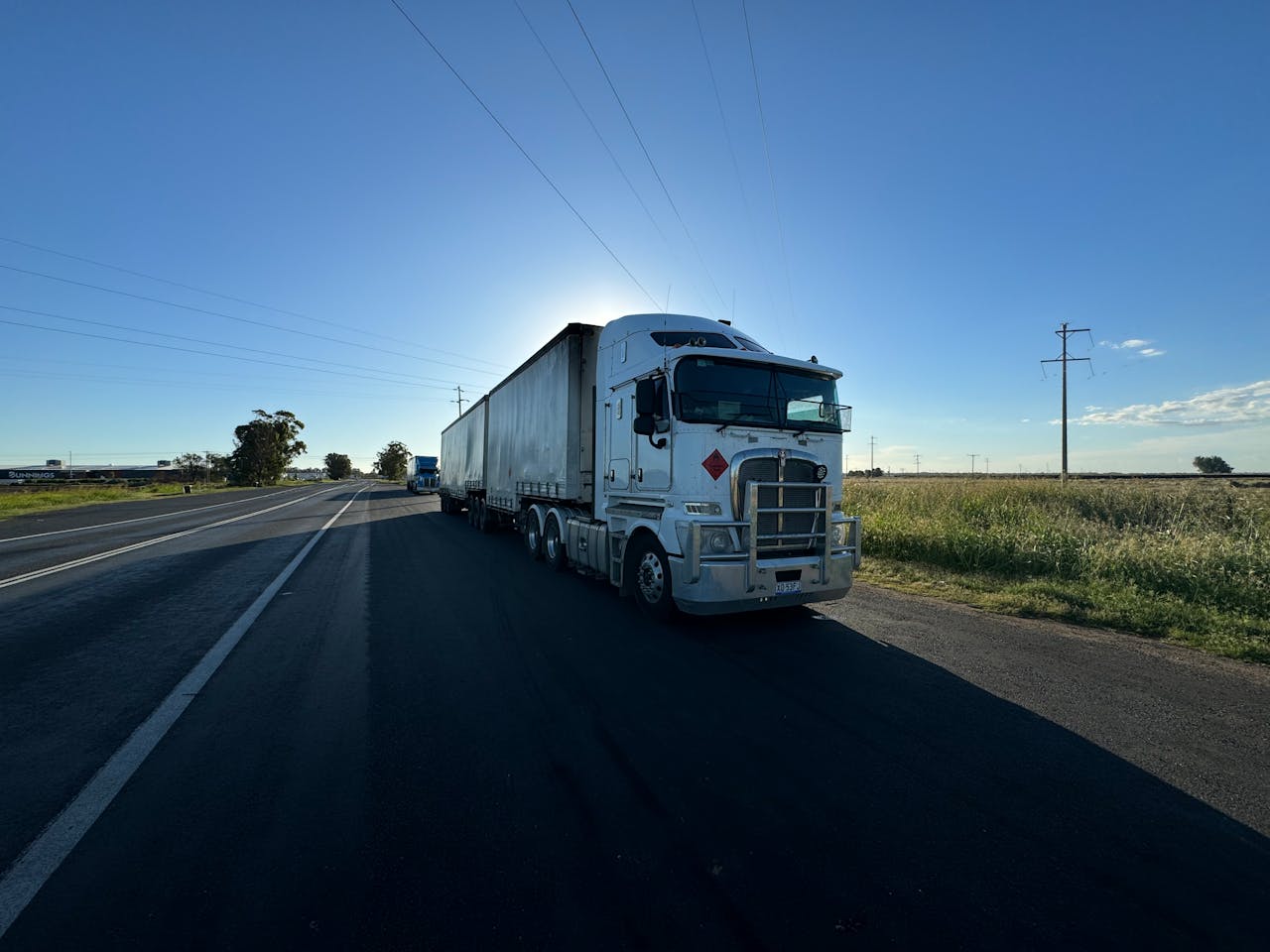
A silver semi truck driving on an open highway under a clear blue sky.

WHY THIS IS DIFFERENT
NOT A PLATFORM. NOT A CHECKLIST.
…THE STANDARD.

Technology platforms verify who is hauling your freight. That is necessary. It is not sufficient.
The Shipper/Broker/Carrier Defense Protocol℠ addresses what no platform addresses: the documented, timestamped, legally defensible record of every decision your team made, why they made it, and what data they had access to at the moment they made it.
A broker can have every vetting platform available and still lose a negligent selection lawsuit because they cannot produce that record. The Protocol is the architecture that makes every tool you use legally defensible.

THE FOUR OPERATIONAL MOMENTS THAT DETERMINE YOUR LIABILITY

Most vetting programs address one moment: carrier onboarding. The plaintiff’s attorney is not interested in what you did at onboarding. The attorney wants to know what you did at the moment of dispatch.
The Shipper/Broker/Carrier Defense Protocol℠ addresses four distinct operational moments, each with its own documentation requirements, each of which can become an independent liability event if it is not handled correctly.

First moment

The first moment is carrier onboarding. Most programs address this and only this.

Second moment

The second moment is dispatch, which is where most liability events actually occur and where most documentation programs completely fail.

Third moment

The third moment is the monitoring interval between loads, when CSA scores change, insurance lapses, and safety records deteriorate between the last dispatch and the next one.

Fourth moment

The fourth moment is the incident response window, the hours and days after an accident, when the documentation you created before the incident either becomes your defense or becomes the plaintiff’s exhibit.

The Protocol is built around all four moments. A process that handles moment one and ignores moments two, three, and four is not a vetting program. It is a starting point for a plaintiff’s argument.

WHAT EVERY ORGANIZATION IS DOING TODAY

The standard across the industry: six data points, applied at onboarding, rarely revisited.
Certificate of Insurance. CSA Scores at onboarding. FMCSA Authority verification. Carrier Agreement. W-9. Operating Authority type.
These six were adequate for a legal environment that no longer exists. They will not protect a broker, shipper, or carrier in a post-Montgomery deposition.

A silver semi truck driving on an open highway under a clear blue sky.

WHAT THE PROTOCOL ADDS

The Shipper/Broker/Carrier Defense Protocol℠ goes beyond the standard six to a forensic level of documentation and verification. Beyond the standard six, the Protocol covers CSA scores verified at time of dispatch, not just onboarding. It covers override documentation, capturing who overrode a safety flag, why, and what they relied on. It addresses chameleon carrier detection, identifying the same equipment and drivers operating under a new name. It builds a double-brokering liability defense layer. It creates an at-dispatch data snapshot, preserving FMCSA data at the exact moment of dispatch. It addresses the digital negligence standard, establishing what happens when a monitoring alert fires and is ignored. And it applies nuclear verdict math to broker and shipper exposure in a way that makes the cost of the program visible against the cost of the alternative. And many more forensic data points.
The complete Protocol, including all criteria and the full forensic documentation architecture, is available through paid programs and individual engagements.

THE QUESTIONS PLAINTIFF ATTORNEYS ARE ASKING RIGHT NOW

These are not hypothetical. They are being asked in depositions today.
For Brokers: Can you prove your team checked each carrier’s CSA scores on the day and time of dispatch, not just at onboarding? If your dispatcher made this carrier selection at 4:30 on a Friday afternoon, what is the documented evidence of that decision? Do you have a written record of why you selected this carrier over a safer alternative on this specific load? If a plaintiff’s attorney subpoenaed your carrier selection records for the last 90 days, what would they find?
For Shippers: When you hired the broker who will hire the carrier(s) for your freight, what documented process did you use to qualify that broker before giving them access to your freight?
That last question is the one most shippers have never been asked. It is the one being written into demand letters right now.
Still confident that your process is forensic? That it would hold up under oath, in front of a jury, with a plaintiff’s attorney asking the questions?
Most organizations are not. That is not a criticism. It is the reality of an industry that operated under legal protection for 50 years and no longer does.

A silver semi truck driving on an open highway under a clear blue sky.

Secure Your Freight Business

Contact us today to explore customized strategies that protect your operations and enhance your compliance.

Call Us

847-514-6767

Location

2360 Hood Avenue, San Diego, CA, 92123

Scroll to Top